

Cannabis Rescheduling to Schedule III: What It Means for New York Cannabis Businesses
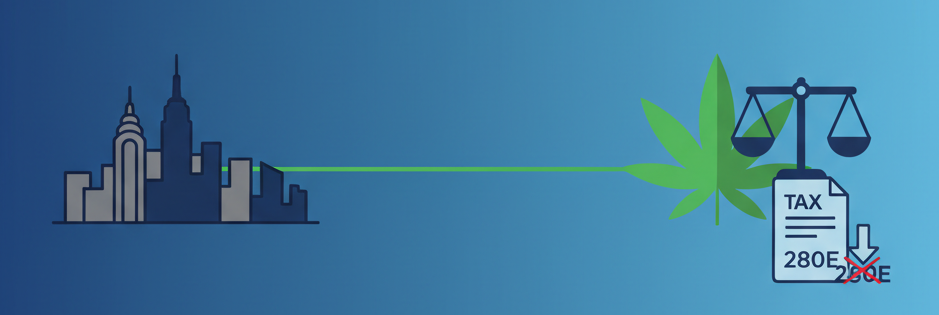
The President’s recent executive order to reschedule cannabis from Schedule I to Schedule III under the Controlled Substances Act marks the most significant federal cannabis policy shift in decades. While it stops short of full legalization, the move could reshape the financial and regulatory landscape for New York cannabis businesses almost immediately.
- End of 280E: Major Tax Relief for Cannabis Companies
Under current federal law, IRC §280E prevents cannabis operators from deducting ordinary business expenses because cannabis is classified as a Schedule I drug. That restriction has crippled profitability across the industry. Once cannabis officially moves to Schedule III, 280E no longer applies. New York dispensaries, cultivators, and processors will finally be able to deduct operating costs such as rent, payroll, and marketing. This fundamental change could improve balance sheets, boost valuations, and attract new investment into the state’s emerging adult-use market.
- Cannabis Still Isn’t “Legal” Federally
It’s critical to understand that rescheduling does not legalize cannabis under federal law. Cannabis will remain a controlled substance under the DEA’s purview. That means interstate commerce, banking access, and federal criminal exposure remain limited or off-limits. However, the reclassification signals a softer federal stance, giving states like New York more confidence in expanding regulated markets without immediate federal interference.
- Positive Ripple Effects for New York’s Cannabis Market
The New York cannabis industry has faced slow licensing rollouts and financial pressure. This policy change could jumpstart growth by encouraging new capital entry and mergers and acquisitions within the state’s licensed sector. Institutional lenders and private investors, historically hesitant due to federal tax restrictions, may now view New York cannabis businesses as more viable and legitimate long-term investments.
- Expansion of Cannabis Research and FDA Pathways
Reclassification to Schedule III also opens the door for medical research and FDA-approved cannabis-derived medications. Universities and healthcare institutions in New York could now partner with federally funded researchers to explore the therapeutic potential of cannabis—something long hindered by Schedule I restrictions.
- More Oversight, Not Less
While rescheduling ends 280E and encourages business growth, it could also introduce DEA registration requirements for manufacturers and distributors of cannabis-based pharmaceuticals. Similar to ketamine or anabolic steroids, Schedule III substances carry strict recordkeeping and compliance standards. Licensed New York operators should prepare for an evolving regulatory environment balancing state and federal oversight.
The Bottom Line
The President’s executive order to move cannabis to Schedule III doesn’t legalize it—it normalizes it. For New York cannabis businesses, this normalization means fairer taxation, broader investment opportunities, and expanded research potential, all while maintaining compliance risk under dual regulatory systems. In short, this historic shift could finally make legal cannabis in New York operate—and be taxed—like any other business.
Call (212) 688-8944 to speak with a New York cannabis lawyer today for a focused consultation on how the Federal rescheduling affects your cannabis business endeavors. Or use the form to contact us.
